In the world of borrowing, there are many financial tools designed to meet diverse needs. One such flexible and powerful tool is the line of credit loan. Whether you are managing personal finances, funding a business, or handling unexpected expenses, understanding what a line of credit is and how it works can open doors to smarter money management.
This article dives deep into what a line of credit loan is, its types, benefits, risks, and how to use it effectively.
Defining a Line of Credit Loan
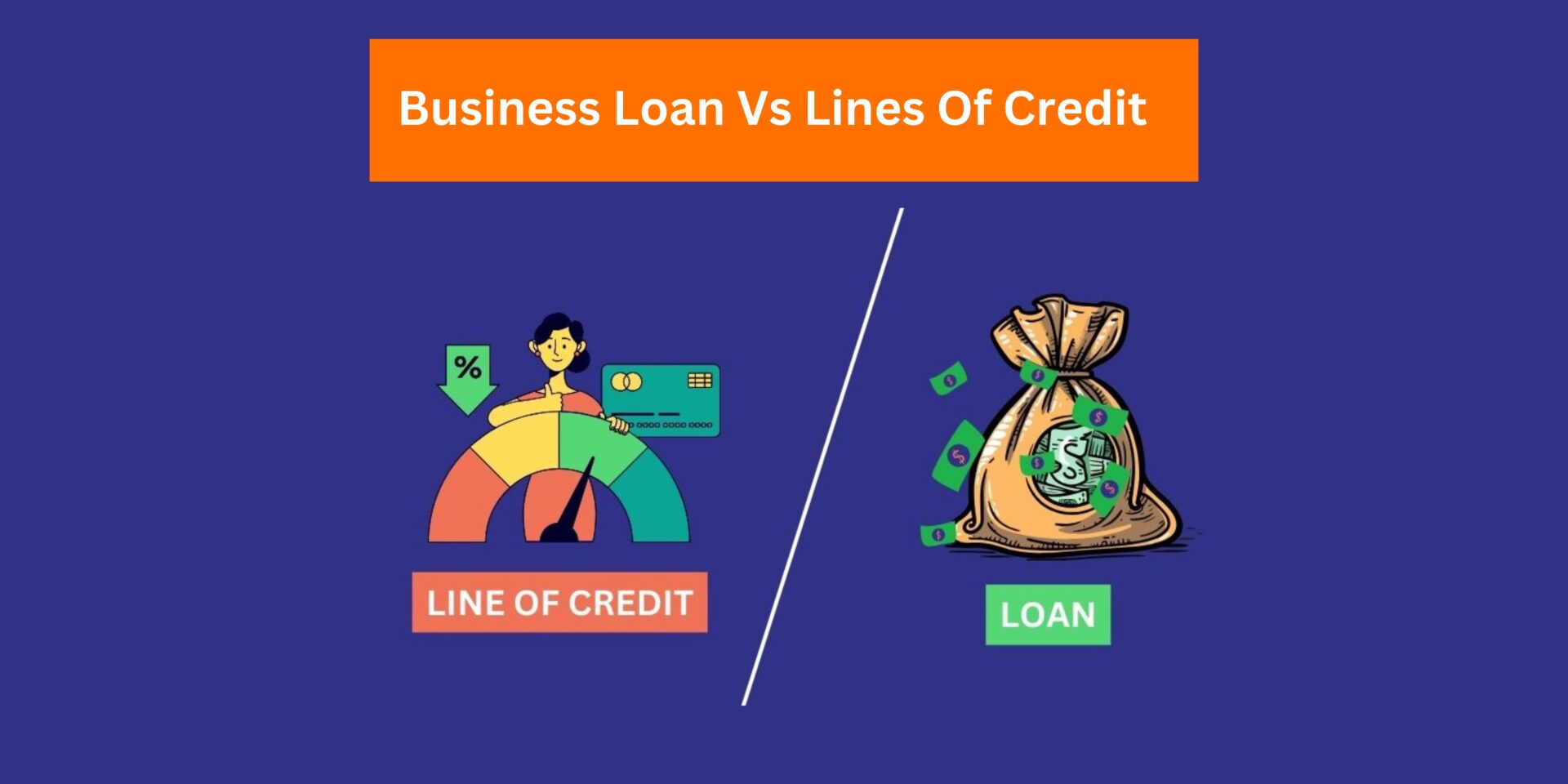
A line of credit (LOC) is a type of revolving loan that gives you access to a predetermined amount of money, which you can borrow from, repay, and borrow again as needed. Unlike traditional loans that provide a lump sum upfront, a line of credit functions more like a credit card, offering flexibility to draw funds repeatedly up to a credit limit.
You only pay interest on the amount you actually use, not on the entire credit limit, making it a cost-effective borrowing option.
How Does a Line of Credit Work?
Once approved, the lender sets a credit limit based on factors like your creditworthiness, income, and financial history. You can then withdraw funds anytime up to that limit, repay all or part of the borrowed amount, and borrow again without needing to reapply.
Key features include:
- Revolving credit: Borrow, repay, and borrow again.
- Interest payments: Charged only on the amount drawn, not the full limit.
- Flexible repayment: Minimum payments vary based on usage and lender terms.
- Renewal: Some lines of credit have a renewal period or can be open-ended.
Types of Lines of Credit
1. Personal Line of Credit
Offered by banks or credit unions, this unsecured credit line is available for personal expenses like home improvements, emergency costs, or consolidating debt.
- Usually based on credit score and income.
- Typically offers lower interest rates than credit cards.
2. Home Equity Line of Credit (HELOC)
A secured line of credit using your home’s equity as collateral.
- Generally offers higher credit limits and lower interest rates.
- Interest may be tax-deductible (consult a tax advisor).
- Risk of foreclosure if payments are missed.
3. Business Line of Credit
Designed to help businesses manage cash flow, purchase inventory, or cover short-term expenses.
- Can be secured or unsecured.
- Helps businesses respond flexibly to opportunities or emergencies.
Benefits of a Line of Credit Loan
- Flexibility: Borrow exactly what you need, when you need it.
- Lower interest costs: Pay interest only on the borrowed amount.
- Improved cash flow management: Ideal for irregular expenses or income.
- Convenience: Often accessible via checks, online transfers, or cards.
- Reusable credit: Unlike fixed loans, you can repeatedly access funds during the draw period.
Risks and Considerations
- Variable interest rates: Many lines of credit have rates that can fluctuate, increasing borrowing costs.
- Potential for overspending: Easy access to funds can lead to borrowing beyond your means.
- Fees: Some lines of credit charge annual fees, maintenance fees, or transaction fees.
- Collateral risk: With secured lines like HELOCs, failure to repay can result in loss of your asset.
- Credit score impact: Mismanagement or high utilization can negatively affect your credit rating.
Who Should Consider a Line of Credit Loan?
A line of credit is ideal for those who:
- Need flexible access to funds over time rather than a one-time lump sum.
- Have irregular expenses or fluctuating income.
- Want to consolidate multiple debts into a single credit facility.
- Own a home and want to tap into equity responsibly.
- Run a business requiring working capital without long-term commitments.
How to Apply for a Line of Credit
- Assess your financial needs and goals.
- Check your credit score and report.
- Research lenders and compare terms, interest rates, fees, and limits.
- Prepare documentation: income proof, credit history, identification, and collateral if applicable.
- Submit application online or in person.
- Review the offer carefully before accepting.
Tips for Managing Your Line of Credit Responsibly
- Borrow only what you need and can repay comfortably.
- Make payments on time to avoid fees and credit damage.
- Monitor your balance and interest accrual regularly.
- Avoid maxing out your credit limit.
- Understand the terms, including variable rates and renewal conditions.
Conclusion
A line of credit loan offers unmatched flexibility and financial control, making it an excellent option for managing ongoing or unexpected expenses. By understanding how it works, the types available, and best practices for management, you can use a line of credit to enhance your financial stability and agility.
Choosing the right line of credit and using it wisely empowers you to handle financial challenges and opportunities with confidence.